Introduction
Cryptocurrency has rapidly become an essential part of the financial landscape, but with its rise comes the critical need for security. Many users experience losses due to hacks, phishing, or improper wallet setup. Hardware wallets, such as Trezor devices, provide a highly secure solution by keeping private keys offline, reducing the risk of unauthorized access.
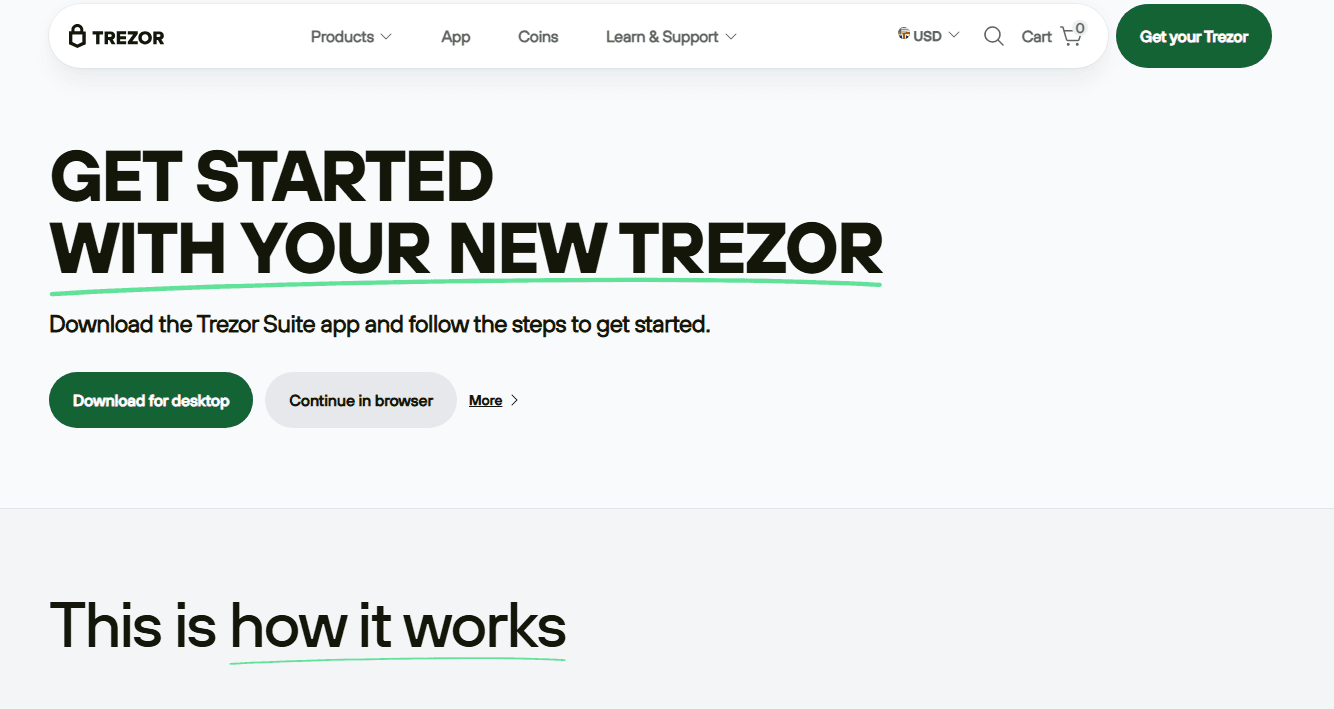
Trezor.io/start is the official starting point for setting up your Trezor device. It offers detailed, step-by-step guidance on initializing your wallet, installing Trezor Suite, generating a recovery phrase, and managing your cryptocurrency assets securely. Following these instructions ensures your digital assets are protected while giving you full control over them.
Why Use a Trezor Hardware Wallet
Trezor wallets store private keys offline, meaning they are never exposed to the internet. This approach greatly reduces the risk of hacking and malware attacks. Unlike software wallets or exchange accounts, Trezor devices give users complete control of their funds through self-custody.
Using a hardware wallet ensures that you are the only person with access to your digital assets. Ledger.io/start emphasizes security from the outset, guiding users to establish strong protection measures during setup. The same principles apply to Trezor.io/start, ensuring your cryptocurrency remains safe from online threats.
Step 1: Unboxing and Inspecting Your Trezor Device
Before using your Trezor wallet, carefully inspect the packaging and device. Trezor hardware wallets come in sealed packaging to prevent tampering. Make sure the seal is intact and there are no signs of damage or interference.
Inside the package, you will typically find:
The Trezor hardware wallet (Model One or Model T)
A USB cable for connecting the device to a computer or mobile device
Recovery seed cards for writing down your backup phrase
Quick start guides and documentation
Verifying the device ensures that you are starting your cryptocurrency journey securely.
Step 2: Accessing Trezor.io/start
Trezor.io/start is the official resource for initializing your Trezor wallet. The page provides instructions tailored to your specific device model and operating system.
From this starting point, users can:
Install the Trezor Suite application
Initialize their Trezor device
Create a PIN code and recovery phrase
Access essential security guidance
Following instructions from Trezor.io/start ensures a secure and accurate wallet setup, reducing the risk of user errors that could compromise assets.
Step 3: Installing Trezor Suite
Trezor Suite is the official application for managing Trezor wallets. It allows users to view balances, send and receive cryptocurrencies, manage multiple accounts, and update the device firmware.
Trezor.io/start guides users through downloading and installing Trezor Suite on desktop or mobile devices. Once installed, Trezor Suite acts as the main interface for interacting with the Trezor device and managing multiple cryptocurrency accounts securely.
Step 4: Initializing Your Trezor Wallet
After installing Trezor Suite, the next step is initializing the Trezor hardware wallet. This process involves setting up a secure PIN and generating a recovery phrase:
PIN Code: Protects your wallet from unauthorized access. Choose a code that is easy for you to remember but difficult for others to guess.
Recovery Seed: A set of 12 or 24 words that serves as a backup for your wallet. If your device is lost, damaged, or stolen, the recovery seed allows you to restore access to your cryptocurrency.
Trezor.io/start emphasizes storing your recovery seed offline in a secure location. It should never be shared digitally, photographed, or stored online, as this could allow someone else to access your funds.
Step 5: Adding Cryptocurrency Accounts
Once your wallet is initialized, Trezor Suite allows users to create accounts for supported cryptocurrencies. Trezor supports a wide range of coins and tokens, enabling users to manage a diversified portfolio.
To add an account:
Choose the cryptocurrency you want to manage
Create or import an account within Trezor Suite
Verify the account address directly on the Trezor device
All private keys remain securely stored on the device, ensuring maximum protection against online threats.
Step 6: Sending and Receiving Cryptocurrency
Trezor Suite simplifies the process of sending and receiving cryptocurrency while maintaining security:
Receiving Funds: Generate a receiving address in Trezor Suite and confirm it on the device. Always check that the address matches the one shown on your hardware wallet to prevent malware interference.
Sending Funds: Enter the recipient address in Trezor Suite and confirm the transaction on your Trezor device. Physical confirmation prevents unauthorized transfers.
Always verify addresses and transaction amounts directly on your hardware wallet to maintain security.
Step 7: Managing Trezor Apps and Features
Trezor devices support multiple cryptocurrencies through their built-in apps. Trezor Suite allows users to manage, install, and update these apps securely.
Trezor.io/start provides guidance on:
Browsing supported cryptocurrencies
Installing and updating apps safely
Managing storage on your device for optimal performance
This feature allows users to expand their portfolios safely while keeping private keys offline.
Step 8: Security Best Practices
Security is central to cryptocurrency management. Trezor.io/start highlights best practices to ensure your funds remain protected:
Never share your recovery seed. It grants complete access to your wallet.
Keep your PIN confidential. Avoid storing it near your device.
Verify transactions on the device. Do not rely solely on your computer or mobile screen.
Update firmware regularly. Trezor devices receive updates that improve security.
Store recovery seed securely. Use a fireproof and waterproof safe if possible.
Adhering to these practices ensures that your cryptocurrency remains safe even if your device is lost or your computer is compromised.
Step 9: Troubleshooting Common Issues
Trezor.io/start also provides guidance for troubleshooting common problems, including:
Device not recognized by Trezor Suite
Issues with app installation or updates
Forgotten PIN or device reset
Following official instructions ensures issues are resolved safely without compromising wallet security. Physical confirmation of transactions adds an extra layer of protection against potential threats.
Step 10: Understanding the Trezor Ecosystem
Trezor.io/start introduces users to the broader Trezor ecosystem, which includes:
Trezor Suite: Platform for managing accounts and cryptocurrencies
Hardware Wallets: Secure offline storage for private keys
Third-party integrations: Support for staking, decentralized finance, and other cryptocurrency applications
Understanding these features allows users to make the most of their Trezor wallet while maintaining strong security practices.
Conclusion
Trezor.io/start is the essential resource for anyone looking to manage cryptocurrency securely with a Trezor hardware wallet. By following the step-by-step guidance, users can initialize their device, create a recovery seed, add accounts, manage apps, and safely send and receive digital assets.
From unboxing your Trezor wallet to confirming transactions on the device, Trezor.io/start ensures security is maintained at every step. Combining the hardware wallet with Trezor Suite provides a reliable, user-friendly, and highly secure method for managing digital assets.
Following this guide gives both beginners and experienced users confidence, enabling them to take full control of their cryptocurrency while minimizing the risk of theft, loss, or hacking.